Introduction
Energy-Monitoring Smart Outdoor Lighting revolutionizes traditional outdoor lighting systems by incorporating advanced technology for enhanced efficiency and control. This innovative solution combines energy-monitoring capabilities with smart features to optimize energy consumption and reduce costs. Through real-time monitoring and data analysis, energy-monitoring smart outdoor lighting ensures precise control over lighting operations for maximum effectiveness.
Brief Overview of Energy-Monitoring Smart Outdoor Lighting
The concept of energy-monitoring smart outdoor lighting involves integrating sensors, controls, and monitoring devices within outdoor lighting fixtures to track and manage energy consumption. These systems utilize cutting-edge technologies such as LED lights, motion sensors, and wireless connectivity to create a network of intelligent lighting solutions. By collecting data on usage patterns, environmental conditions, and energy consumption metrics, energy-monitoring smart outdoor lighting systems enable automated adjustments to optimize performance.
Importance of Energy Efficiency in Outdoor Lighting
Efficient outdoor lighting plays a crucial role in reducing electricity usage, minimizing environmental impact, and improving sustainability. With the rise in global energy consumption and the push for eco-friendly practices, prioritizing energy efficiency in outdoor lighting becomes imperative. Energy-efficient solutions like LED lights and motion sensors not only lower operational costs but also contribute to a greener environment by reducing carbon emissions.
Innovating Energy Efficiency with Energy-Monitoring Smart Outdoor Lighting
By combining the benefits of energy efficiency with real-time monitoring capabilities, energy-monitoring smart outdoor lighting represents a significant advancement in sustainable urban planning. These systems offer a comprehensive solution for municipalities, businesses, and homeowners looking to enhance their environmental stewardship while enjoying the practical benefits of efficient lighting. Embracing this innovative approach not only conserves resources but also sets a new standard for intelligent infrastructure design.
Illuminate Your Space Efficiently

Energy-monitoring smart outdoor lighting systems are innovative solutions that combine cutting-edge technology with energy efficiency. These systems utilize advanced sensors and monitoring capabilities to regulate light output based on the surrounding conditions.
The functionality of energy-monitoring smart outdoor lighting lies in its ability to adjust brightness levels depending on factors such as ambient light, motion detection, and time of day. By constantly monitoring energy usage and environmental conditions, these systems ensure optimal illumination while minimizing wastage.
Efficiency at Its Best
The benefits of using energy-monitoring smart outdoor lighting are manifold. Firstly, these systems offer unparalleled energy efficiency by intelligently managing power consumption.
By adjusting light output according to real-time needs, they reduce unnecessary usage and significantly lower electricity bills. Moreover, the long lifespan of LED lights used in energy-monitoring smart outdoor lighting ensures durability and minimal maintenance requirements, leading to cost savings in the long run.
Illuminating Advantages
Energy-monitoring smart outdoor lighting provides several advantages beyond mere energy savings. One key benefit is enhanced security through motion-activated lighting that deters intruders and enhances visibility during nighttime hours.
Additionally, these systems contribute to a more sustainable environment by reducing carbon emissions associated with excessive electricity consumption. By harnessing renewable energy sources such as solar power, energy-monitoring smart outdoor lighting promotes eco-friendly practices that align with global sustainability goals.
A Brighter Future Ahead
Looking ahead, the future of energy-monitoring smart outdoor lighting holds promise for further advancements in efficiency and functionality. With ongoing innovations in sensor technology and connectivity options, these systems will continue to evolve to meet the changing needs of modern urban environments. By integrating seamlessly with other smart home devices and renewable energy sources, such as wind or geothermal power, energy-monitoring smart outdoor lighting is poised to revolutionize how we illuminate our spaces while preserving precious resources for future generations.
LED Lights with Energy Monitoring Capabilities
LED lights in energy-monitoring smart outdoor lighting are equipped with sensors that track energy consumption. The sensors collect data on the amount of power used by each light fixture, providing real-time feedback on energy usage. This data can help users make informed decisions to optimize energy efficiency.
LED lights are known for their longevity and energy efficiency, making them a popular choice for outdoor lighting solutions. Integrating LED lights with energy monitoring capabilities enhances their functionality, allowing for precise control over power usage.
The integration of LED lights with energy monitoring capabilities enables remote monitoring and control through connected devices. Users can access detailed reports on energy consumption patterns, helping them identify areas where energy-saving measures can be implemented.
With these insights, adjustments can be made to minimize wastage and reduce overall electricity costs. Additionally, the ability to dim or adjust the brightness of LED lights based on real-time data further enhances the efficiency of the system.
Motion Sensors for Efficient Light Activation
Incorporating motion sensors into energy-monitoring smart outdoor lighting systems enhances efficiency by activating lights only when needed. Motion sensors detect movement within their range and trigger the connected light fixtures to illuminate the area.
This feature not only ensures that light is provided precisely when required but also contributes to significant energy savings by avoiding unnecessary illumination in unoccupied spaces. The use of motion sensors adds a layer of automation to outdoor lighting setups while reducing electricity consumption.
Motion sensors play a crucial role in improving security and safety in outdoor environments illuminated by smart lighting systems. By instantly turning on lights upon detecting movement, potential intruders or hazards can be deterred effectively.
Moreover, the activation of lights in response to motion adds convenience for users navigating dark outdoor spaces at night. The combination of motion sensors with LED lights equipped with energy monitoring capabilities results in a comprehensive solution that prioritizes both efficiency and functionality.
Solar Panels for Sustainable Power Generation
Integrating solar panels into energy-monitoring smart outdoor lighting systems enables sustainable power generation from renewable sources. Solar panels harness sunlight and convert it into electricity to power the connected LED light fixtures and other components of the system. This eco-friendly approach reduces reliance on grid electricity, decreasing operational costs while promoting environmental sustainability through clean energy production.
Solar-powered outdoor lighting solutions offer an off-the-grid alternative that aligns with green initiatives. The utilization of solar panels alongside LED lights with built-in energy monitoring capabilities creates a self-sustaining ecosystem for outdoor lighting needs.
Solar panels continuously recharge batteries during daylight hours, ensuring uninterrupted operation even during nights when sunlight is not available. This integration not only reduces operating expenses over time but also minimizes carbon emissions associated with traditional grid-powered lighting systems.
By leveraging solar panels as a sustainable power source within an integrated network of smart devices, energy-monitoring smart outdoor lighting enhances its ecological footprint while delivering reliable performance without compromising environmental responsibility.
Integration with Smart Home Systems: Enhancing Control and Efficiency
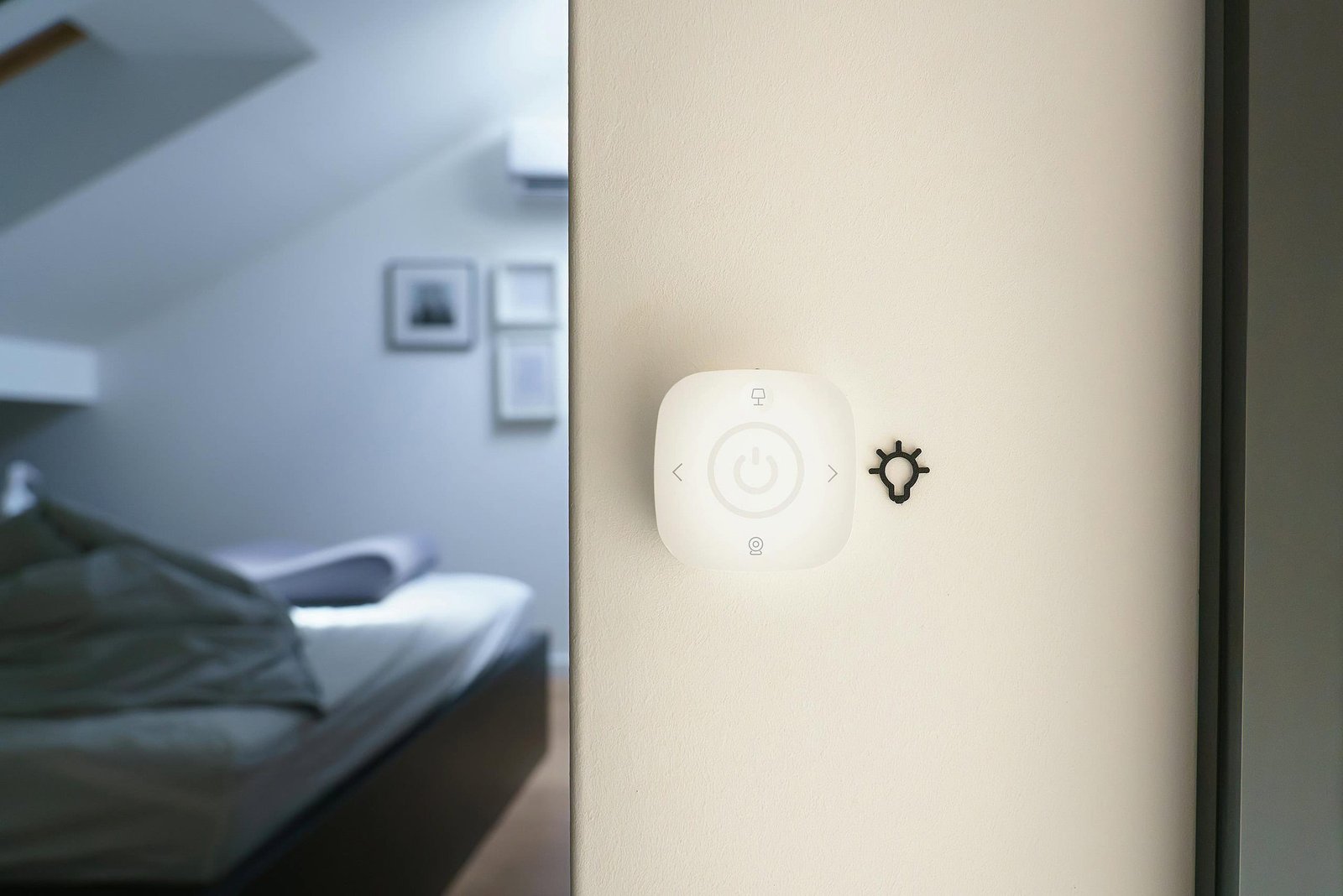
Energy-monitoring smart outdoor lighting integrates seamlessly with smart home systems, enabling users to conveniently control their outdoor lights remotely. This functionality allows homeowners to adjust the lighting settings from the comfort of their living spaces, enhancing convenience and security.
Integrating these systems also facilitates scheduling options, empowering users to set specific times for the lights to turn on or off automatically, optimizing energy usage while ensuring adequate illumination. The synergy between energy-monitoring smart outdoor lighting and smart home systems streamlines operations and enhances overall efficiency.
Empowering Users with Enhanced Control
The integration of energy-monitoring smart outdoor lighting with smart home systems empowers users by providing them with unparalleled control over their outdoor lighting setup. Through intuitive interfaces or voice commands, individuals can adjust brightness levels, activate motion sensors, or schedule lighting patterns according to their preferences. This level of customization not only enhances user experience but also contributes to significant energy savings by ensuring that lights are only operational when needed.
Seamless Scheduling for Optimal Energy Utilization
One of the standout features of integrating energy-monitoring smart outdoor lighting with smart home systems is the ability to create customized schedules for lighting operations. Users can program specific time slots for the lights to illuminate based on their daily routines or external factors such as sunset times. Additionally, advanced scheduling options allow for dynamic adjustments in response to changing weather conditions or seasonal variations, further optimizing energy consumption without compromising on illumination quality.
Enhancing Sustainability Through Intelligent Automation
By combining weather data and real-time monitoring capabilities, energy-monitoring smart outdoor lighting systems can implement weather-adaptive lighting strategies that automatically adjust brightness levels based on environmental conditions. For instance, during overcast days or inclement weather, the lights may dim slightly to conserve energy while still providing adequate visibility. This intelligent automation not only enhances sustainability efforts but also prolongs the lifespan of LED bulbs and reduces maintenance costs associated with constant manual adjustments.
Residential Settings: Illuminating Homes with Efficiency
Energy-monitoring smart outdoor lighting enhances residential spaces by providing efficient illumination. Homeowners can optimize their outdoor lighting usage by leveraging the energy-monitoring capabilities of these systems.
This technology allows for tailored lighting schedules, ensuring that lights are only on when necessary, thereby reducing energy wastage. By incorporating motion sensors, these systems illuminate pathways and entrances as needed, enhancing security while conserving energy.
Smart outdoor lighting in residential settings not only adds aesthetic value but also contributes to energy savings. The integration of LED lights with energy monitoring features enables homeowners to track and manage their energy consumption effectively.
Additionally, solar panels can be utilized to power these lights, further reducing reliance on traditional electricity sources and lowering utility bills. With the ability to customize brightness levels and schedules through smart home integration, residents can create a comfortable and energy-efficient outdoor environment.
Commercial Spaces: Sustainable Lighting Solutions for Businesses
Businesses benefit significantly from the implementation of energy-monitoring smart outdoor lighting systems. These solutions offer cost savings through reduced energy consumption and maintenance expenses while promoting sustainability initiatives. By strategically placing sensors and utilizing advanced technologies, commercial spaces can efficiently illuminate outdoor areas based on occupancy and ambient light conditions.
The implementation of energy-monitoring smart outdoor lighting in commercial spaces aligns with corporate sustainability goals. By employing weather-adaptive lighting features, businesses can dynamically adjust brightness levels according to environmental conditions, maximizing efficiency without compromising safety or visibility.
Moreover, integrating these systems with smart building management platforms enables centralized control and monitoring, enhancing operational efficiency across multiple locations. Each business application is unique; therefore, tailored strategies for deploying energy-monitoring smart outdoor lighting must be considered carefully based on specific requirements.energy-monitoring smart outdoor lighting solutions offer versatile configurations that cater to diverse business needs while delivering tangible benefits in terms of cost savings and environmental impact mitigation.
Environmental Impact and Sustainability Benefits
Reduction in carbon footprint through efficient energy usage Energy-monitoring smart outdoor lighting reduces carbon footprint by optimizing energy consumption.
LED lights with energy monitoring capabilities ensure that only necessary light is emitted, conserving electricity. Motion sensors activate lights as needed, preventing unnecessary illumination and reducing overall energy usage.
This efficient use of energy not only saves on electricity costs but also contributes to a greener environment by lowering carbon emissions associated with excessive power consumption. Long-term cost savings from lower electricity bills
Installing energy-monitoring smart outdoor lighting systems leads to substantial long-term cost savings on electricity bills. The precise monitoring and control features of these systems ensure that lights are only activated when necessary, minimizing wastage.
LED lights, known for their energy efficiency, coupled with solar panels for sustainable power generation, further reduce reliance on grid electricity. This results in decreased monthly utility expenses and significant savings over time, making the initial investment worthwhile in the context of reduced operational costs.
Environmental Impact and Sustainability Benefits
Reduction in carbon footprint through efficient energy usage Energy-monitoring smart outdoor lighting minimizes environmental impact by significantly reducing the carbon footprint associated with traditional lighting setups.
By utilizing advanced technologies such as motion sensors and weather-adaptive lighting mechanisms, these systems optimize power consumption based on real-time environmental conditions. This targeted approach not only decreases greenhouse gas emissions but also sets a precedent for sustainable urban development practices that prioritize resource efficiency and ecological conservation.
Long-term cost savings from lower electricity bills Embracing energy-monitoring smart outdoor lighting translates into extensive long-term financial benefits through reduced electricity expenditure.
The integration of state-of-the-art components like LED lights equipped with monitoring capabilities ensures that power is consumed judiciously to illuminate outdoor spaces effectively while keeping operating costs at a minimum. As these systems operate efficiently over time, property owners experience noticeable decreases in their monthly utility bills, indicating the tangible economic advantages of investing in sustainable lighting solutions that prioritize both fiscal prudence and environmental stewardship.
Initial Investment Costs
Energy-monitoring smart outdoor lighting incurs significant initial investment costs. These costs encompass purchasing the necessary equipment, such as LED lights, motion sensors, and solar panels. The technology integration required for these systems also contributes to the upfront expenses of implementing energy-monitoring smart outdoor lighting.
Businesses and homeowners looking to adopt this sustainable solution must allocate a substantial budget for the initial setup. In addition to equipment costs, installation expenses play a crucial role in determining the overall investment needed for energy-monitoring smart outdoor lighting.
Hiring professionals to set up the system correctly ensures optimal performance and efficiency. These installation costs should be factored into the budget when planning to install energy-monitoring smart outdoor lighting systems.
Furthermore, customization and scaling requirements can impact initial investment costs for energy-monitoring smart outdoor lighting projects. Tailoring the system to specific needs or expanding it to cover larger areas will result in additional expenses.
Considerations such as coverage area, desired features, and integration with existing infrastructure should all be accounted for in budget planning for energy-monitoring smart outdoor lighting installations. Despite the initial financial outlay associated with energy-monitoring smart outdoor lighting, it is essential to view these costs as an investment rather than an expense.
Over time, the efficiency gains and cost savings from reduced electricity usage can help offset the upfront investment. Evaluating long-term benefits alongside immediate costs is crucial in making informed decisions about implementing energy-monitoring smart outdoor lighting solutions.
Maintenance Requirements for Optimal Performance
Maintaining energy-monitoring smart outdoor lighting systems is vital for ensuring their optimal performance over time. Regular maintenance activities include inspecting and cleaning LED lights to prevent dirt buildup that can diminish brightness levels. Monitoring motion sensors for proper functioning is also essential to guarantee efficient light activation based on movement detection.
Another critical aspect of maintenance involves checking solar panels regularly to ensure they are clean and unobstructed by debris or shading that could reduce their power generation capacity. Cleaning solar panels periodically increases their efficiency in converting sunlight into electrical energy, thereby maximizing the sustainability of energy-monitoring smart outdoor lighting systems.
Addressing any issues promptly through routine maintenance schedules helps prevent potential system failures that could disrupt operations or compromise security in outdoor spaces illuminated by energy-monitoring smart outdoor lighting. By staying proactive with maintenance tasks such as replacing faulty components or updating software integrations as needed, users can extend the lifespan of their systems while maintaining consistent performance levels.
Advancements in Sensor Technology: Precision Monitoring for Efficiency

Advancements in sensor technology revolutionize energy-monitoring smart outdoor lighting. Sensors now offer precise monitoring capabilities that optimize energy consumption.
These sensors detect ambient light levels, human presence, and even weather conditions to adjust lighting output accordingly. This precision ensures that energy is used only when needed, maximizing efficiency.
Innovations in sensor technology have led to the development of smart sensors with advanced functionalities. These sensors can communicate with each other and with central control systems to coordinate lighting across a network of fixtures.
By sharing data and responding intelligently to changing conditions, these sensors create dynamic lighting schemes that enhance safety, security, and comfort while minimizing energy waste. The integration of cutting-edge sensor technology into energy-monitoring smart outdoor lighting systems has far-reaching implications for sustainability and cost savings.
By enabling real-time monitoring and control of individual fixtures or entire networks, these sensors empower users to optimize their energy usage based on specific needs and conditions. This level of granularity not only reduces unnecessary energy consumption but also extends the lifespan of the fixtures by preventing overuse.
The evolution of sensor technology goes hand in hand with the development of smart cities and interconnected infrastructures. As cities embrace the concept of IoT (Internet of Things), sensor-equipped energy-monitoring smart outdoor lighting becomes an integral part of urban planning strategies aimed at creating more sustainable, efficient, and livable environments.
Integration with Renewable Energy Sources: Paving the Way for Sustainable Practices
The integration of renewable energy sources into energy-monitoring smart outdoor lighting marks a significant step towards achieving sustainability goals. By harnessing solar power or wind energy to supplement or entirely power lighting systems, these initiatives reduce reliance on traditional grid electricity sources and decrease carbon emissions. Renewable energy integration transforms energy-monitoring smart outdoor lighting into self-sufficient systems that operate off-the-grid or in hybrid configurations.
Solar panels installed on light poles capture sunlight during the day to charge batteries that power LED fixtures at night. This seamless transition from solar-generated electricity ensures continuous illumination without impacting grid infrastructure.
The synergy between renewable energy sources and advanced monitoring technologies enhances system resilience and reliability. Energy-monitoring smart outdoor lighting equipped with backup battery storage powered by renewable sources can operate during grid outages or emergencies, offering essential illumination for safety purposes while reducing dependency on centralized power distribution networks.
Moving forward, increased focus on integrating renewable sources like solar panels or wind turbines into urban landscapes presents opportunities for creating sustainable ecosystems powered by clean resources. The marriage between renewable energies and intelligent monitoring capabilities not only drives environmental stewardship but also serves as a beacon for innovative practices in modern urban development.
Conclusion
Summary of Key Points on Energy-Monitoring Smart Outdoor Lighting Systems
Fostering Efficiency and Sustainability
Energy-monitoring smart outdoor lighting systems provide a seamless blend of efficiency and sustainability. By meticulously monitoring energy usage, these systems optimize consumption while minimizing waste. Their ability to adapt to environmental conditions ensures that energy is utilized judiciously, reducing overall environmental impact.
Enhancing Safety and Functionality
The components and features of energy-monitoring smart outdoor lighting systems work harmoniously to enhance safety and functionality. LED lights with monitoring capabilities deliver bright illumination when needed, while motion sensors ensure that light is activated only in the presence of movement. These systems provide not just light but also a sense of security through their intelligent design.
Promoting Innovation and Adaptability
By integrating advanced technologies such as smart home connectivity and weather-adaptive lighting, energy-monitoring smart outdoor lighting systems pave the way for innovation in the realm of outdoor illumination. These systems are adaptable to various settings, from residential areas seeking cost savings to commercial spaces aiming for sustainability, showcasing their versatility.
Embracing a Brighter Future
The holistic approach of energy-monitoring smart outdoor lighting represents a step towards a brighter future. By addressing challenges such as initial investment costs and maintenance requirements head-on, these systems offer long-term benefits in terms of cost savings and environmental stewardship. As trends evolve towards more precise monitoring and increased sustainability through renewable energy integration, the future looks promising for energy-monitoring smart outdoor lighting.